How to Choose a Calorie Tracking App: 7 Things That Actually Matter
Nov 02, 2026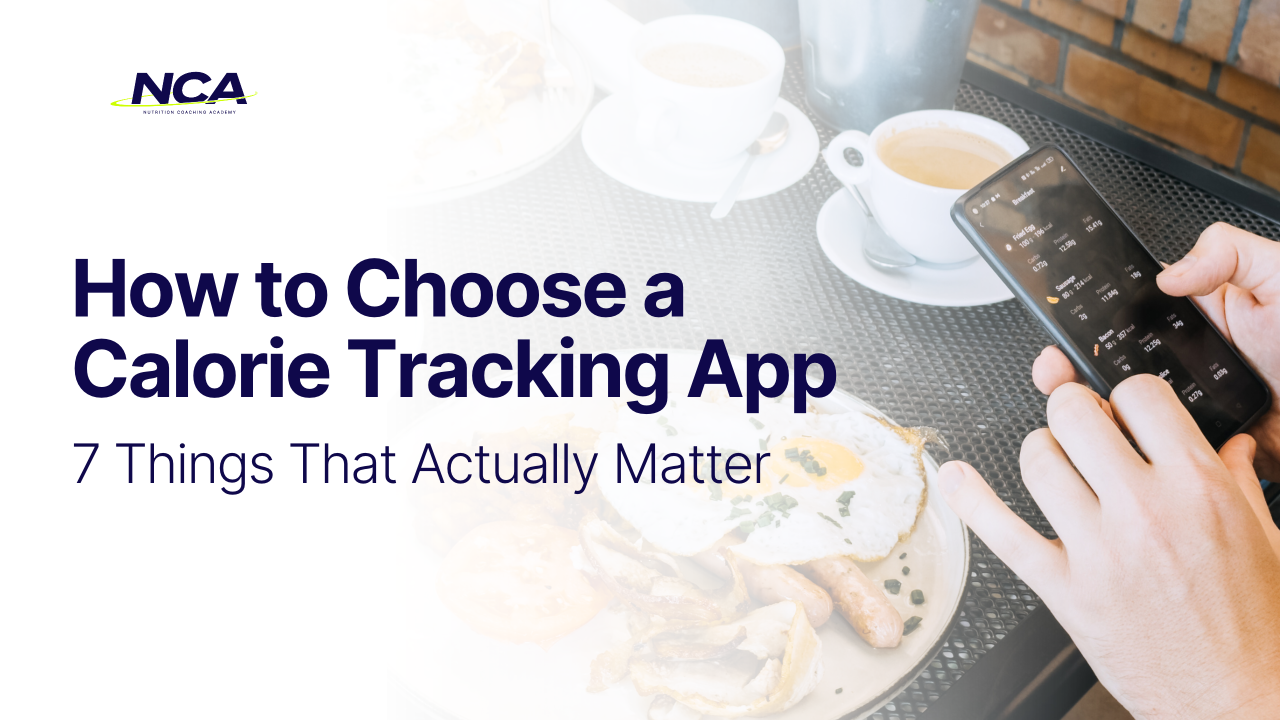
You've logged every meal for three weeks. You've hit your calorie target almost every day. And the scale hasn't moved.
Most people in this situation assume they did something wrong: their metabolism is "broken," or they just need more willpower. But very often the problem isn't the person; it's the numbers they were given.
Choosing a calorie tracking app sounds like a minor decision, but it determines how accurate your data is, how easy the habit is to keep, and whether tracking actually leads anywhere. This guide covers the seven features that matter most, whether your goal is losing fat or building muscle.
Why the App You Choose Affects Your Results

Calorie tracking works through self-monitoring: when you see what you eat, you make better decisions. A 2022 study of adults logging their food in a mobile app found that those who logged more often and more consistently lost more weight (Obesity Science & Practice, 2022).
Two things can break that process.
- Inaccurate data. People already struggle to estimate what they eat. A 2025 analysis built on more than 6,000 gold-standard measurements of energy expenditure found that about 27% of dietary reports in two large national nutrition surveys were implausible (Bajunaid et al., 2025). If the app adds its own errors on top (wrong entries, duplicated foods, missing items), a planned 500-calorie deficit can quietly shrink to almost nothing.
- Friction. Logging that feels like homework doesn't last. In a 2022 six-month weight loss study, participants stopped tracking their diet consistently after a median of 10 weeks, while lower-effort tracking lasted far longer. Those who kept logging their food consistently lost more weight (JMIR, 2022). The easier logging is, the more likely you keep doing it.
So the best calorie counting app for you is the one that gives you accurate numbers and that you'll still be using three months from now.
Here are the 7 things that actually matter.
1. Verified food data, not user-submitted entries
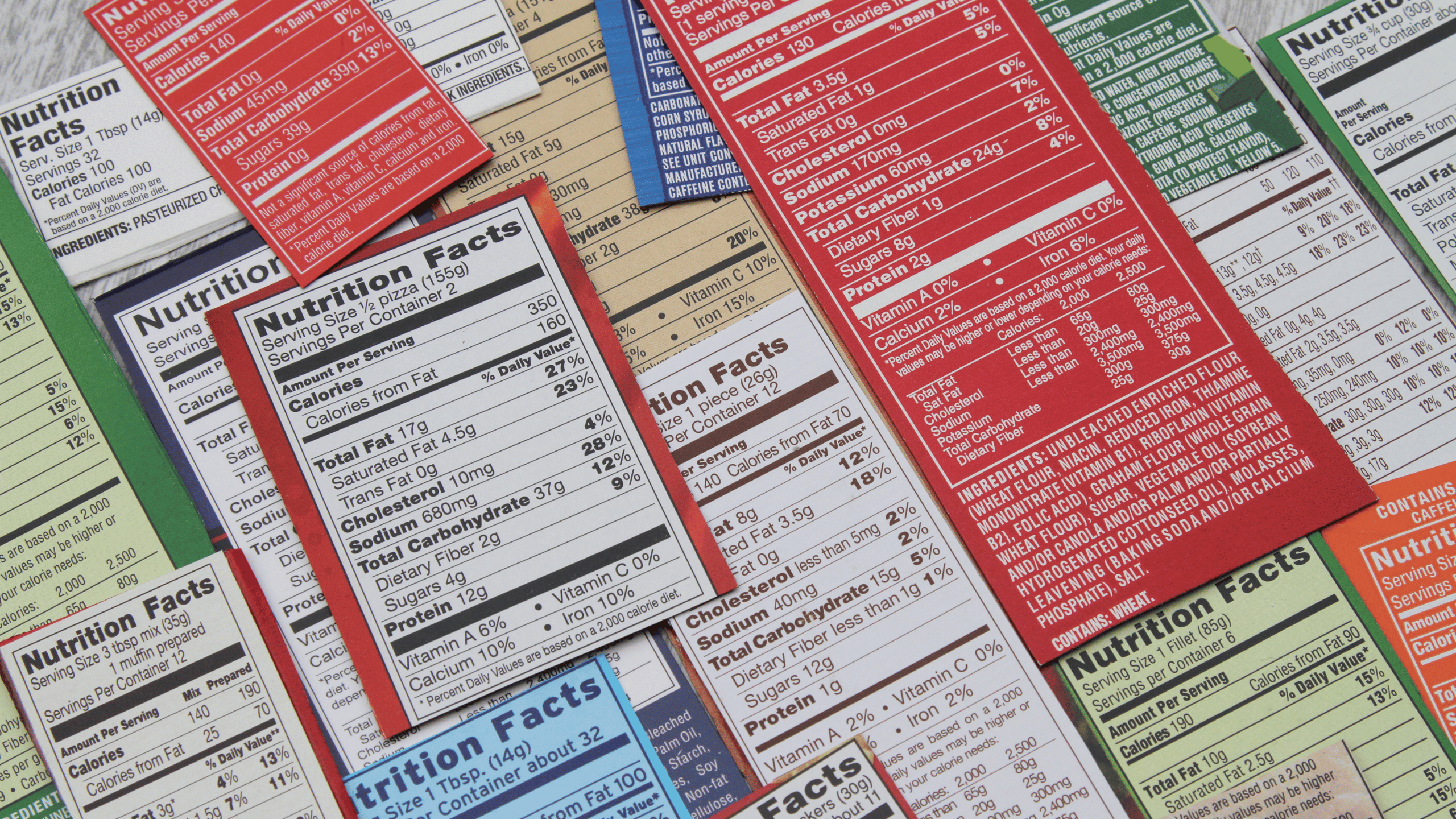
Many calorie apps build their food database from user submissions. That makes the database huge, but it also fills it with duplicates, typos and entries copied from the wrong label. Search for "grilled chicken breast" and you may find a dozen options with very different calorie counts.
A verified food database is one where entries are checked before they're published. You get fewer options, but you can trust the one you pick.
What to look for: Does the app explain where its nutrition data comes from? Are entries reviewed by professionals?
For example, Fitia is a calorie tracking app with a nutritionist-verified food database: every food entry is reviewed by nutritionists before it's published.
2. Foods you actually eat
Most people don't live on packaged foods with barcodes. They eat home-cooked meals, family recipes, regional dishes and local brands. If an app's database is built around one country's supermarkets, everyone else ends up guessing: logging "chicken soup" for a stew it doesn't resemble, or skipping meals they can't find.
Guessing is where tracking falls apart.
What to look for: Before committing to an app, search for five foods you eat every week. Include at least one home-cooked meal and one local brand.
Some apps, like Fitia, adapt their food database to each country, so you can track foods from your own country, including products from local supermarkets. Fitia is also available in English, Spanish, Portuguese, French, Italian and German, so you can use it in your own language.
3. Targets that match your goal

Fat loss and muscle gain need different setups.
- Fat loss: a moderate calorie deficit and high protein to help preserve muscle. A 2022 meta-analysis found that deficits larger than about 500 calories a day impaired lean mass gains in people doing resistance training (Murphy & Koehler, 2022), and a 2025 meta-regression found that higher protein intakes during a deficit were linked to better retention of fat-free mass in resistance-trained people (Refalo et al., 2025).
- Muscle gain: a small calorie surplus and at least 1.6 g of protein per kg of body weight per day, the intake linked to greater lean mass gains with resistance training in a 2022 meta-analysis of 74 trials (Nunes et al., 2022).
A good app calculates your calories and macros from your body, activity level and goal, and keeps your protein target visible every day.
Red flag: an app that gives everyone the same 2,000-calorie target.
4. Logging that takes seconds
Every extra tap is a reason to skip a meal. The fastest logging methods are barcode scanning, saved meals and recipes, photo logging and voice logging.
What to look for: Time yourself logging a typical breakfast. If it takes more than a minute, you probably won't keep doing it.
5. A plan, not just a log

A tracker tells you what you ate yesterday. Most people struggle more with what to eat tomorrow. This is especially true for muscle gain, where hitting your protein target every day takes planning.
A meal plan built around your targets and food preferences removes daily decisions, and a shopping list makes it practical.
What to look for: Are the plan and the log connected? Can you swap meals easily? Does the plan respect the foods you like?
This is where an app that builds your meal plan and shopping list saves the most time. Fitia, for example, generates a personalized meal plan from your goal and food preferences, then turns it into a grocery list.
6. Progress you can actually read
Body weight can swing by a kilo or two from one day to the next because of water, salt and carbohydrates. Reacting to daily numbers leads to bad decisions.
What to look for:
- Weekly averages and trends, not just daily weigh-ins
- How consistently you hit your protein target over time
- A clear way to adjust your targets when progress stalls for two to three weeks
7. Knowing what's free and what's paid
Almost every nutrition app uses a freemium model: core tracking is free and advanced features are paid. That's not a problem, but you should know where the line is before you invest weeks of data.
Check before you start:
- Is calorie and macro tracking free?
- Is barcode scanning free?
- What exactly does the paid version add?
A simple rule: use the free version for two weeks, and upgrade only if a paid feature solves a problem you actually have.
The Bottom Line
The best calorie tracking app isn't the one with the most features. It's the one that gives you accurate numbers, includes the foods you actually eat, sets targets for your specific goal, and makes logging easy enough to keep doing.
If you want an app that covers these criteria, Fitia combines a nutritionist-verified food database, personalized calorie and macro targets, and automatic meal plans in one app, with a free version to get started.
References
- Bajunaid R, Niu C, Hambly C, et al. Predictive equation derived from 6,497 doubly labelled water measurements enables the detection of erroneous self-reported energy intake. Nature Food. 2025;6(1):58–71 (author correction published 2025).
- Adherence to mobile-app-based dietary self-monitoring: impact on weight loss in adults. Obesity Science & Practice. 2022.
- Consistency with and disengagement from self-monitoring of weight, dietary intake, and physical activity in a technology-based weight loss program: exploratory study. JMIR. 2022. doi:10.2196/33603.
- Murphy C, Koehler K. Energy deficiency impairs resistance training gains in lean mass but not strength: a meta-analysis and meta-regression. Scand J Med Sci Sports. 2022.
- Nunes EA, Colenso-Semple L, McKellar SR, et al. Systematic review and meta-analysis of protein intake to support muscle mass and function in healthy adults. J Cachexia Sarcopenia Muscle. 2022;13(2):795–810.
- Refalo MC, Trexler ET, Helms ER. Effect of dietary protein on fat-free mass in energy restricted, resistance-trained individuals: an updated systematic review with meta-regression. Strength Cond J. 2025.