How to Lose Fat Without Losing Muscle: Tips and Tricks
Feb 23, 2026
Most people don’t fail at fat loss because they’re lazy.
They fail because they lose muscle.
They lose weight, but instead of looking leaner and more defined, they just look like a smaller version of themselves. This is frustrating because they’re eating less and working harder, but fat loss is getting more difficult as time goes on.
Today, we’re going to talk about how to lose fat without losing muscle, and also how to know it’s working.
1. Stop Chasing Weight Loss
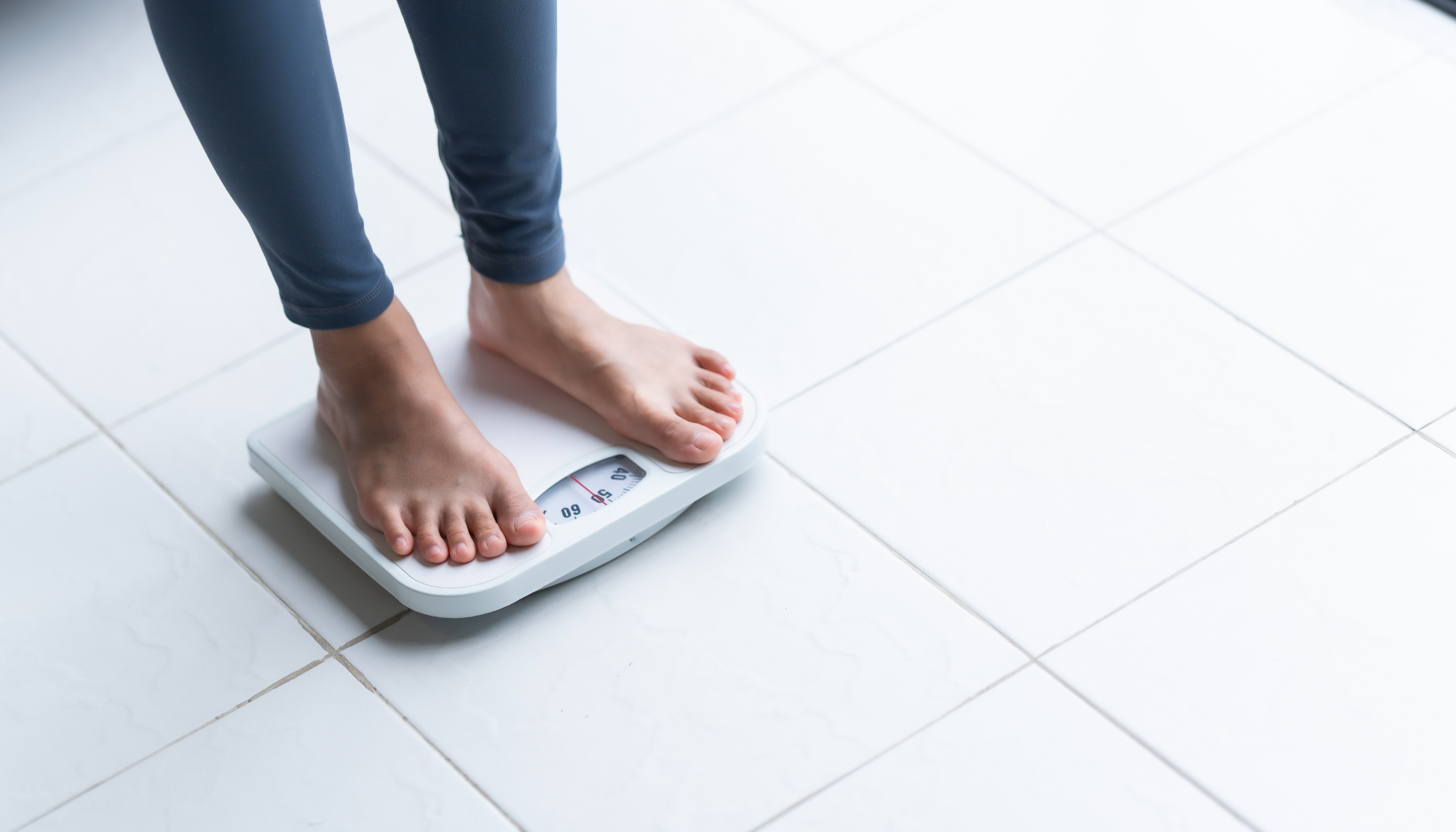
If your goal is to lose fat, you shouldn’t only track progress by your scale weight. You should also be paying attention to your strength and performance in the gym.
When you put yourself into a calorie deficit, you’re putting your body under stress as well. It has to decide whether to hold onto your muscle or break it down for energy. You can track how well your body is holding onto muscle by your performance in the gym.
You don’t have to be hitting new PRs every week, but if your lifts are consistently regressing, something is off. You might have too large a deficit, your recovery is low, or your protein intake is low.
If your strength is staying steady, there’s a good chance you’re preserving muscle.
2. Set a Moderate Calorie Deficit
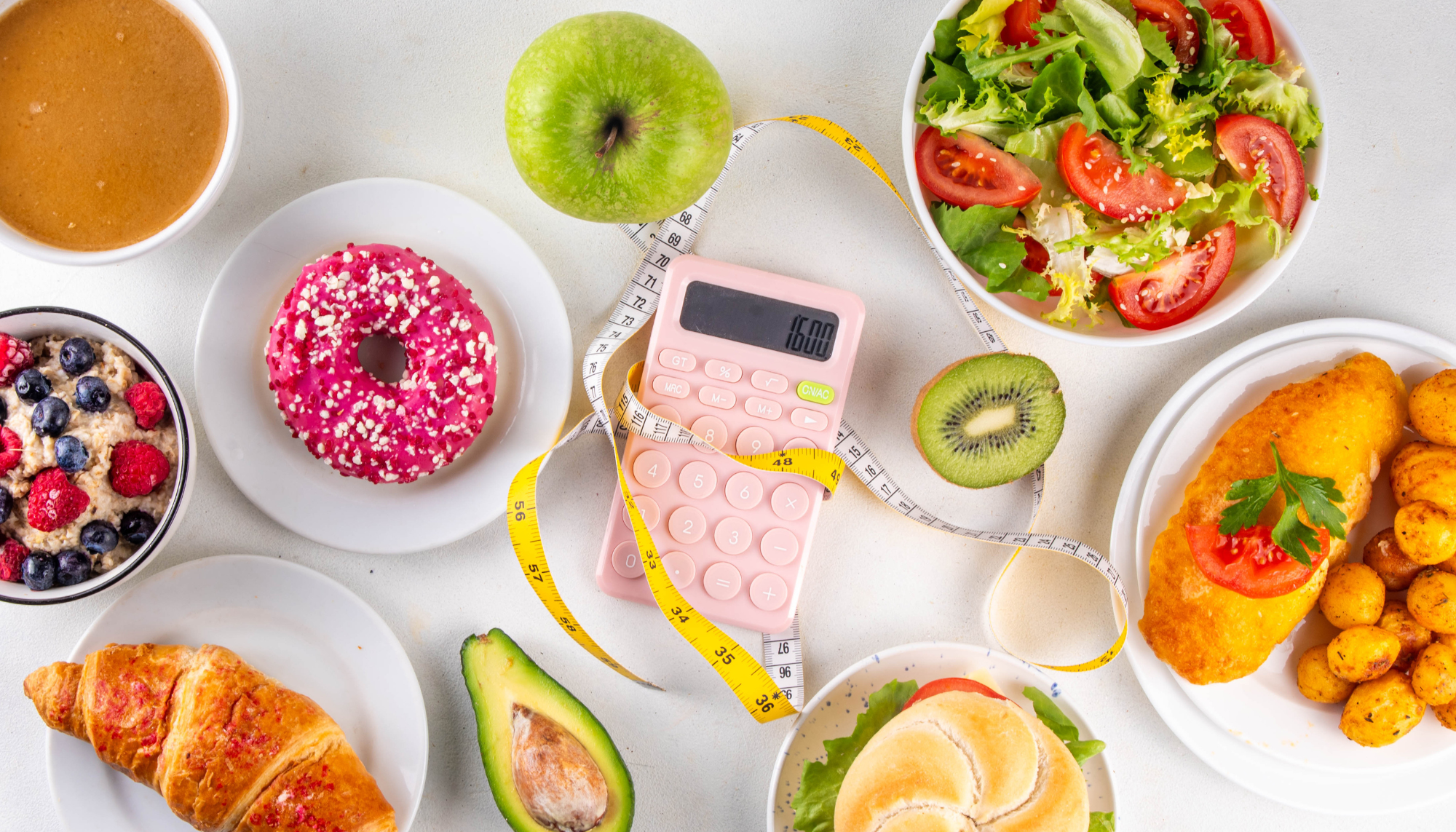
More aggressive is not better. The scale doesn’t distinguish between fat, muscle, water, or undigested food. If your weight is dropping fast, it’s not all coming from fat.
Losing weight too quickly often leads to:
- More muscle loss
- Decreased metabolism
- Worse gym performance
- The “skinny-fat” look
No matter what, you can’t avoid losing some muscle. However, you can minimize the amount you lose by not going as deep into your deficit.
You’ll know your deficit is sustainable when it lets you:
- Train hard and make gym progress
- Maintain strength
- Avoid constant exhaustion
- Stay consistent long enough to see results
If you constantly feel miserable in your fat loss phase, your deficit is probably too aggressive.
Want to Learn More?
Watch the full video to learn more about how to lose fat without losing muscle!

3. Prioritize Weight Lifting
If you want to lean out, resistance training is non-negotiable. Lifting signals to your body that your muscle is important, and that it needs to be preserved.
Cardio is great for your overall health, and it can support fat loss. However, problems happen when:
- Cardio replaces lifting
- Intense cardio interferes with recovery
If you’re planning on doing both cardio and weight training in one day, lift first, then do cardio second.
For most people, cardio should be lower intensity. Easy conditioning activities like walking and light cycling will support weight loss and recovery. You don’t need to punish yourself with cardio; you just need to send the right signals to your body consistently.
4. Prioritize Protein
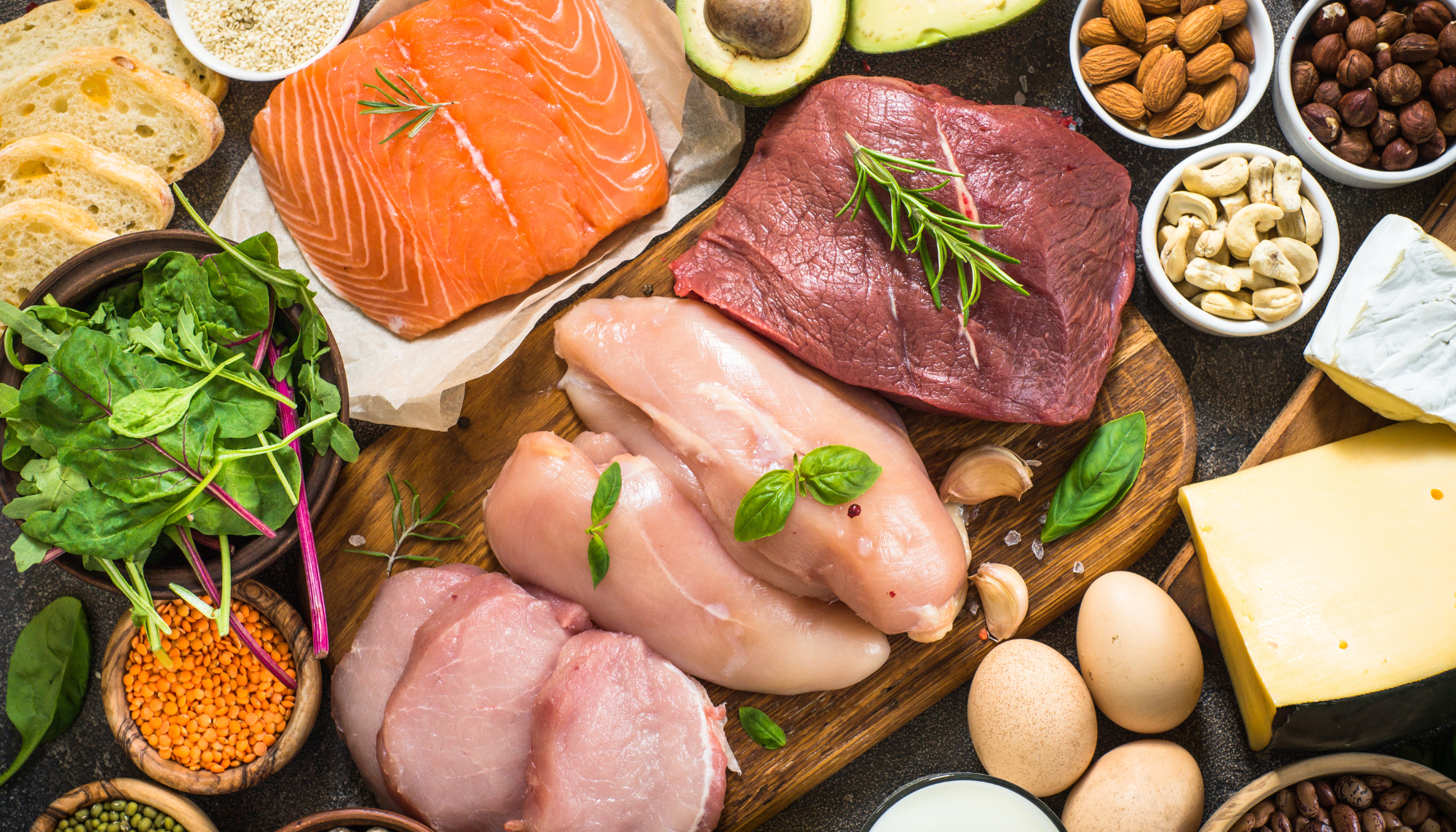
Protein does more than build muscle; it also:
- Preserves lean mass
- Improves recovery
- Keeps you fuller
- Makes calorie deficits easier to sustain
A general target is consuming around 1.2-1.6 g per kg of body weight per day.
If you want to make it easier for yourself, spread it throughout your day. This can look like 3-4 meals per day with 20-40 g of protein per meal.
If you're starving all day, it’s going to be harder to stick to a calorie deficit. If you’re consuming enough protein every day, it will become a lot easier to stick to and help you make progress.
Track Progress Through Measures Other Than the Scale

If you only track your scale weight, your perception of your progress will be all over the place.
Look for these signs instead:
- Clothes fitting differently: if they’re getting looser around your waist, midsection, and thighs, you’re making progress (even if the scale hasn’t moved)
- Body measurements trending down: measure your waist, hips, and thighs every 2-4 weeks and look for trends in how they’re changing.
- Strength is stable or improving: you can lift more reps at the same weight, or even increase the weight.
- Hunger is manageable: in a calorie deficit, you’re going to feel hungry more often, but it shouldn’t be unbearable. If you’re constantly obsessing over food, your deficit might be too aggressive.
- More muscle definition: If you’re starting to see your muscles become more defined, this is the clearest way to see you’re losing fat and gaining muscle.
Final Thoughts
Fat loss doesn’t need to be a grueling process. If you do it right, you can lose fat while preserving your muscle, metabolism, and sanity.
If you make sure to:
- Lift weights
- Eat enough protein
- Run a reasonable deficit
- Recover properly
- Track the right signals
You’ll be able to lose fat while maintaining the muscle you’ve worked hard to build. And the best part is, fat loss becomes easier over time, not harder.