Exactly What You Should Eat Every Day (3-Step Simple Framework)
Jul 14, 2026
If you’ve spent years trying keto, intermittent fasting, or even hiring a nutrition coach to get lean, but still haven’t seen results, you’re not alone.
I’ve worked with clients in this exact situation.
The issue isn’t a lack of effort or even a bad diet. It’s a lack of understanding around a small number of fundamentals that, once understood, make everything else much more straightforward.
That’s why today I’m going to walk you through the framework I use with clients, which outlines the simplest version of a diet that supports muscle gain and fat loss.
I want you to understand not just what to do, but why it works. It comes down to three steps.
1. Eat Enough Protein
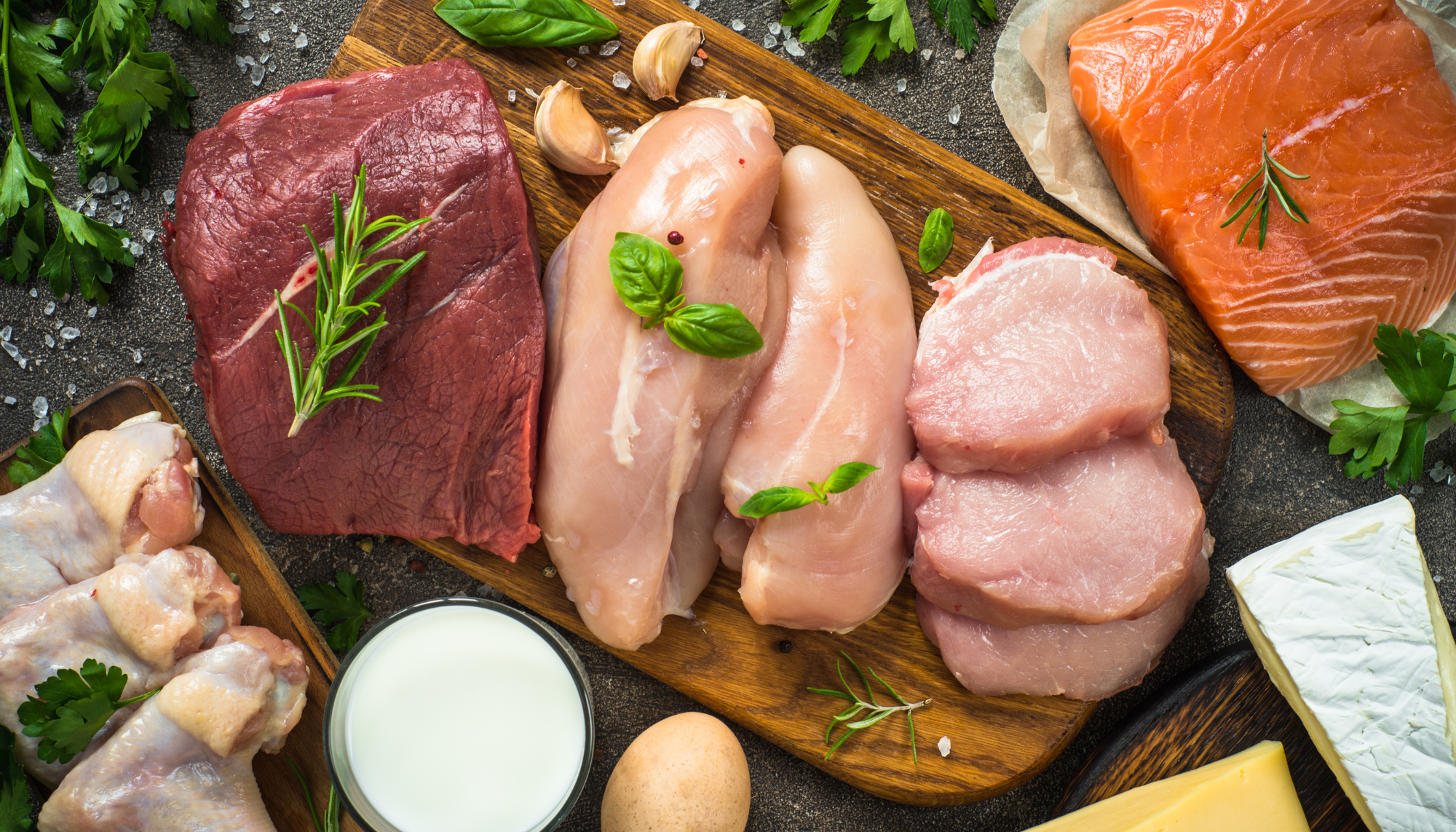
To put it simply, protein is the most important macronutrient for fat loss and muscle gain. Most people aren’t getting enough each day, which is why building the habit of eating protein every time you eat (meals and snacks) leads to better results.
If you’re eating 3 to 4 times per day and getting 20 to 40g of protein each time, you’ll likely land in the right total range.
This can be as simple as:
- Breakfast with Greek yogurt and 1/2 cup egg whites (30g protein)
- A salad for lunch with a chicken breast and chickpeas (40g protein)
- A protein shake for a snack (25g protein)
- Chicken stir fry for dinner with edamame (35g protein)
That’s about 130g of protein in a day. For most people, this will put them within the recommended range of 1.6 to 2.2g per kg of bodyweight, or 0.8 to 1.1g per lb.
This range has been consistent across a wide variety of people, including different sexes, training ages, and body compositions. One of the biggest challenges is simply spreading intake across the day.
It helps to think of it like homework. If you get most of it done earlier in the day, you don’t have to scramble at night. The same applies to protein. If you prioritize it at breakfast and lunch, you won’t be trying to catch up at dinner.
Protein matters because it builds and repairs muscle tissue, improves satiety, and helps preserve lean mass when you’re in a calorie deficit.
Without enough protein, weight loss often comes with a higher loss of lean tissue. I’ve worked with people who lost a significant amount of weight, but saw little change in body composition. In most cases, their protein intake was too low.
Once we increased protein and aligned calories properly, their physique started to change, even when the scale moved slowly.
2. Include Fruits and Vegetables Daily, Ideally at Every Meal
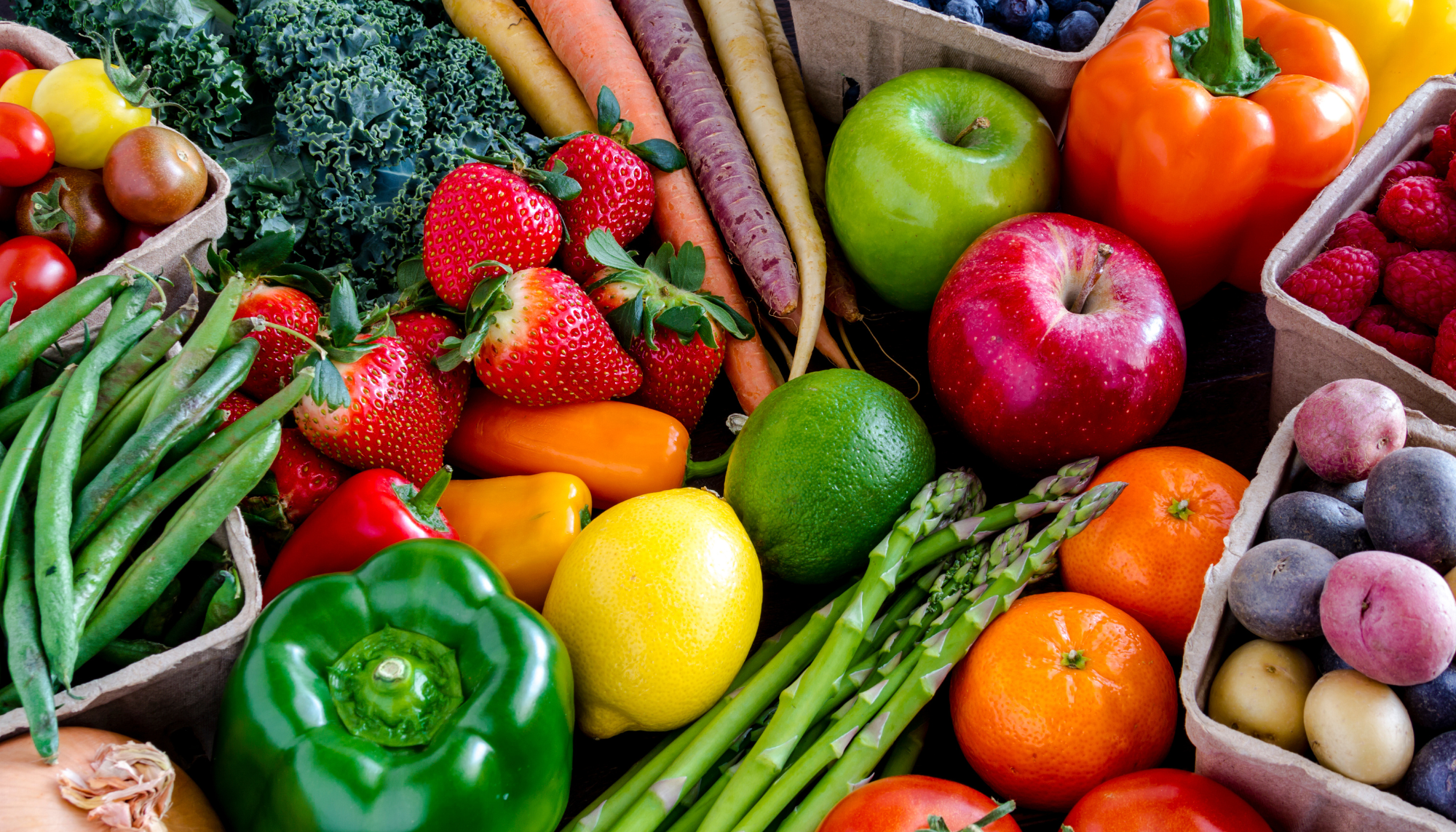
This might be the least surprising advice here, but it makes one of the biggest practical differences, especially if you struggle with hunger in a deficit.
The physical volume of food in your stomach is one of the main signals your body uses to register fullness. That signal is not the same as calorie content.
You can eat a large volume of food and still be in a deficit. On the other hand, you can eat a smaller, high-calorie meal and barely feel full. The difference comes down to food density.
Foods high in water, fiber, and protein take up more space per calorie than foods high in fat and low in water. Fruits and vegetables are one of the easiest ways to increase meal volume.
When you build each meal around a protein source and add a fruit or vegetable, you’ve already done most of the work. You’ll feel more satisfied and naturally manage your intake without needing to rely on restriction.
This doesn’t mean eating only salads. It means understanding how high-volume foods allow you to eat more, feel full, and still stay within a calorie range that supports your goals.
Want to Learn More?
Watch the full video to learn more about what you should eat for fat loss!

3. Don’t Cut Foods Out
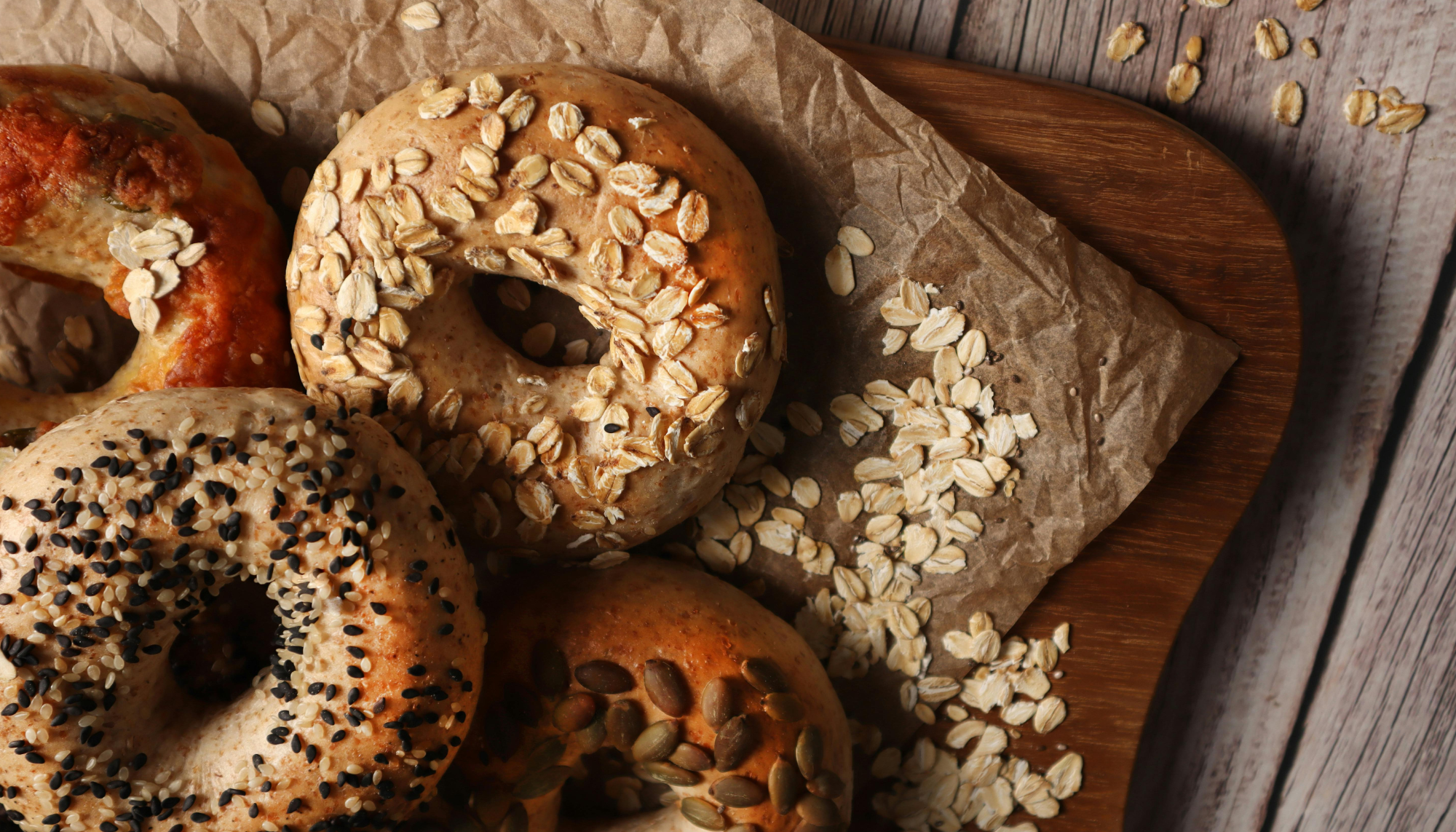
This is where a lot of confusion comes in, especially online.
Over the last few decades, different food groups have been blamed for fat gain. First it was fat, then carbohydrates. Entire books and coaching philosophies have been built around eliminating one or the other.
Here’s what the research actually shows:
From a physiological standpoint, no specific macronutrient causes fat gain in isolation. Fat gain comes from consuming more calories than your body needs.
When calorie intake is controlled and protein is prioritized, there is no clear advantage to one specific macronutrient split for fat loss.
The real question isn’t what to cut out. It’s how much you’re eating relative to what your body requires.
If your goal is to build muscle, you need to be in a small surplus, usually around 100 to 300 calories above maintenance.
If your goal is fat loss, you need a deficit. For body composition, a smaller, more sustainable deficit is typically more effective long term, even if it’s slower, usually around 100 to 300 calories below maintenance.
If your goal is to build muscle while losing fat, your intake should be around maintenance, while training and protein drive the change.
Carbohydrates and fats both play important roles. Carbohydrates support high-intensity training, and fats are essential for hormone function and nutrient absorption. Removing them tends to create worse long-term outcomes.
It’s Not a Willpower Problem, It’s Your System

Most people think they struggle with nutrition because of a lack of discipline. In reality, it’s almost always a systems issue.
If your environment makes the least beneficial option the easiest one, that’s the option you’ll take when you’re tired, stressed, or busy. That’s not a character flaw. It’s how decision-making works under pressure.
When you reduce friction in your environment, adherence improves.
That can look like meal prepping protein sources at the start of the week, so something is always ready. It can mean keeping high-volume foods visible in your fridge instead of hidden behind everything else. It can also mean having a simple default meal for busy days.
You don’t need perfection, you need consistency.
Every meal is a chance to reset, not every Monday or new month. The 80/20 approach works because it’s sustainable. Letting yourself move on instead of overcorrecting is what keeps you on track long term.
Final Thoughts
Here’s the framework:
- Eat 20 to 40g of protein each time you eat, across at least three meals per day
- Include fruits and vegetables daily, ideally at each meal, to manage hunger through volume
- Don’t cut foods out. Focus on total intake, and stay flexible enough to sustain it
And remember, it’s not about how disciplined you are. It’s about your environment and what’s accessible to you. Build a system that makes these behaviors easy to repeat.
This doesn’t need to be complicated, and none of this is new.
What matters is applying it consistently. That’s what produces results, and that’s what makes this the simplest diet for building muscle and losing fat.