Can You Actually Burn Fat and Gain Muscle at the Same Time?
Jul 14, 2026
Most people want to build muscle and lose fat at the same time.
But is that actually possible?
For a long time, the answer was no. It was seen as unrealistic, or not worth trying.
The truth is: yes, body recomposition is possible.
But it only happens under the right conditions.
Let’s break it down.
What is Body Composition?
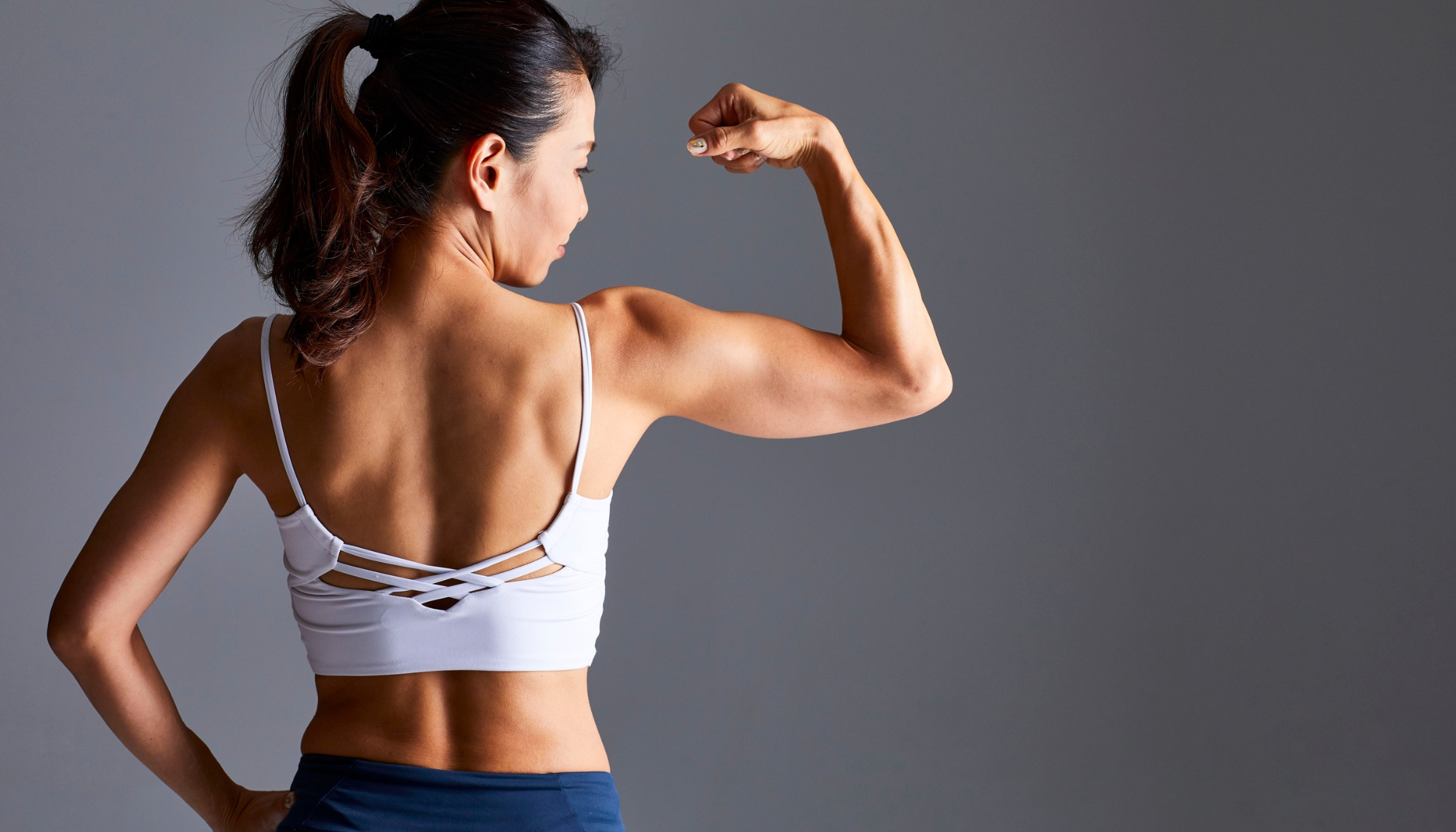
Body composition refers to what your body is made up of.
In most research, this is split into:
- Fat mass
- Fat-free mass
Fat-free mass (or lean body mass) includes everything that isn’t fat: muscle, organs, bone, glycogen, and water.
Body recomposition is the process of increasing lean mass while decreasing fat mass at the same time.
One important distinction: lean mass is not the same as muscle.
When studies report increases in lean mass, some of that change comes from water, glycogen, and connective tissue, not just muscle.
That’s why recomposition doesn’t always show up clearly on the scale.
You can be making meaningful progress while your body weight stays the same.
1. Eat Enough Protein
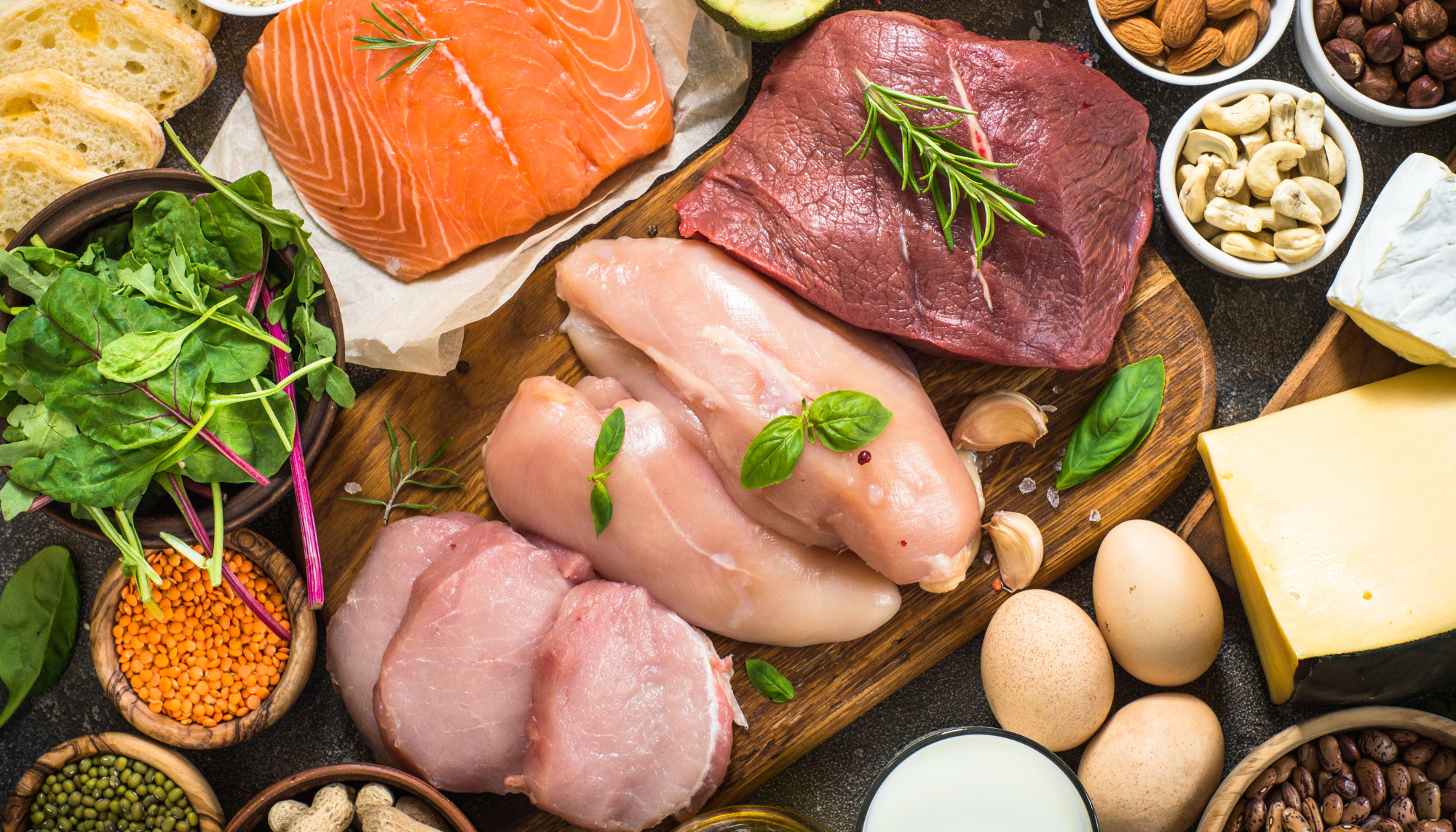
This is the most consistent factor across recomposition research.
Not eating “clean.” Not just eating less.
Eating enough protein.
Most successful studies land around 1.6–2.4g/kg of bodyweight, sometimes higher.
A 2016 randomized controlled trial by Longland et al. found that participants eating 2.4g/kg of protein gained more lean mass and lost more fat than those eating 1.2g/kg, while training in a calorie deficit.
And this isn’t just a beginner effect.
A 2015 study in trained individuals by Antonio et al.comparing 2.4g/kg vs 3.4g/kg showed that the higher protein group lost more fat and gained more lean mass.
But here’s what matters most…
When you look at individual results, not everyone responds the same way:
- Some gain a lot of muscle and lose fat
- Some gain muscle with little fat loss
- Some lose fat with minimal muscle gain
- Some barely change
Research reports averages. Real life doesn’t.
Your results depend on:
- Training experience
- Current body fat level
- Training intensity
- Sleep and recovery
- Individual response to diet
So hitting your protein target doesn’t guarantee a specific outcome, but it significantly improves your odds.
Why protein matters:
- Supports muscle protein synthesis
- Preserves lean mass in a deficit
- Increases satiety and thermic effect
When protein is too low (under ~0.8g/kg), you’re much more likely to lose lean mass during fat loss.
And that makes recomposition much harder.
2. Train Hard Enough (With Progressive Overload)
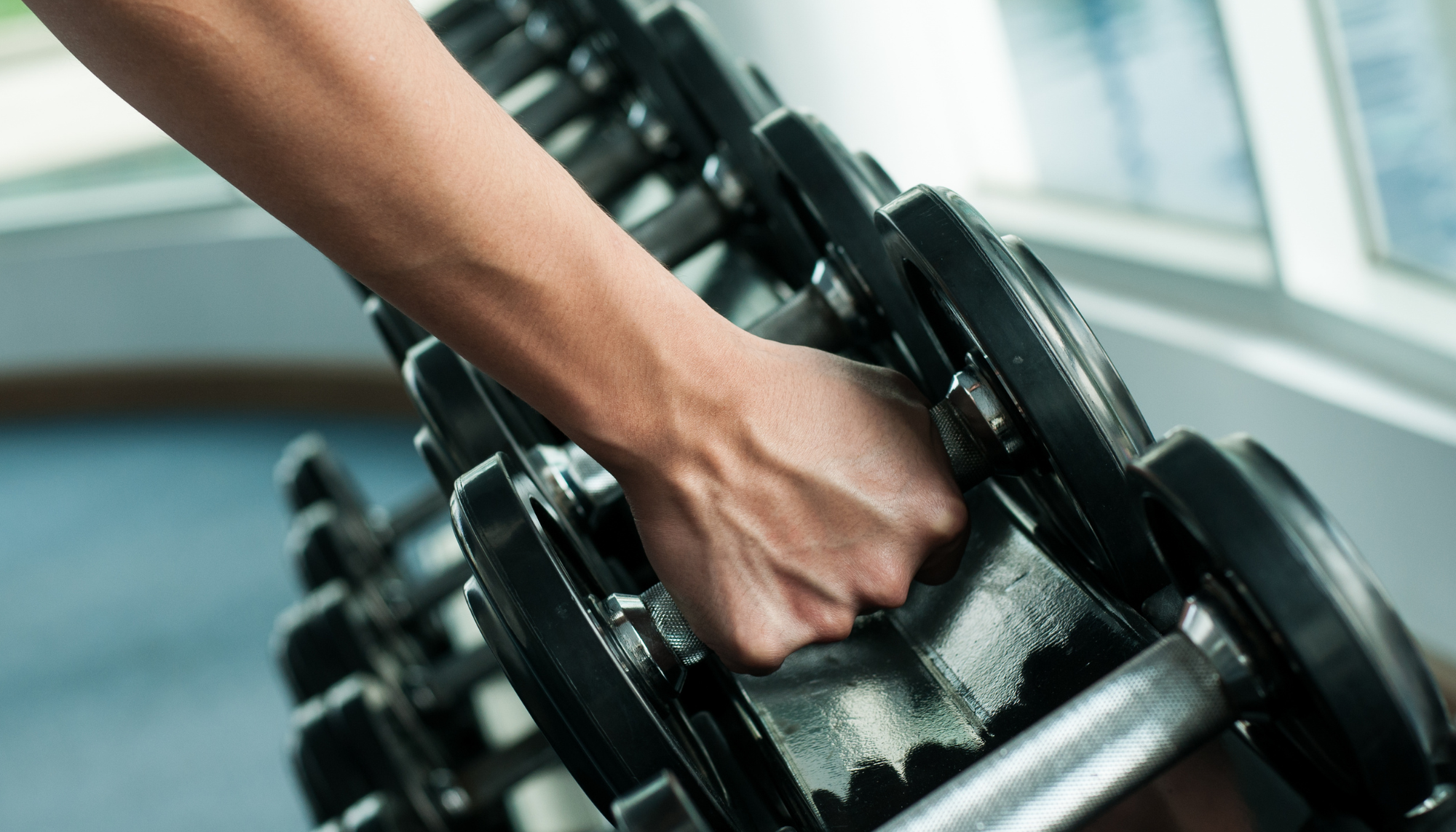
Protein alone doesn’t build muscle.
Training is the signal.
If you want to gain muscle while losing fat, your training needs to demand adaptation.
Across recomposition studies, participants who build lean mass are typically:
- Resistance training
- Training 3+ times per week
- Taking sets close to failure
- Progressively increasing volume or load
There’s also clear evidence showing what happens without training.
A 2015 study by Bray et al. overfed participants with varying protein intakes, but did not include resistance training.
The result:
- Everyone gained weight
- Higher protein increased lean mass
- But fat gain still occurred
Without training, excess energy has nowhere else to go.
With training, your body has a reason to direct nutrients toward muscle instead of fat.
That’s the key: training improves nutrient partitioning.
This is also where a lot of people go wrong.
They start a fat loss phase and:
- Drop resistance training
- Increase cardio
- Stop training with intensity
That’s how muscle loss happens.
If your goal is recomposition, lifting is a non-negotiable.
3. Have Enough Energy Available
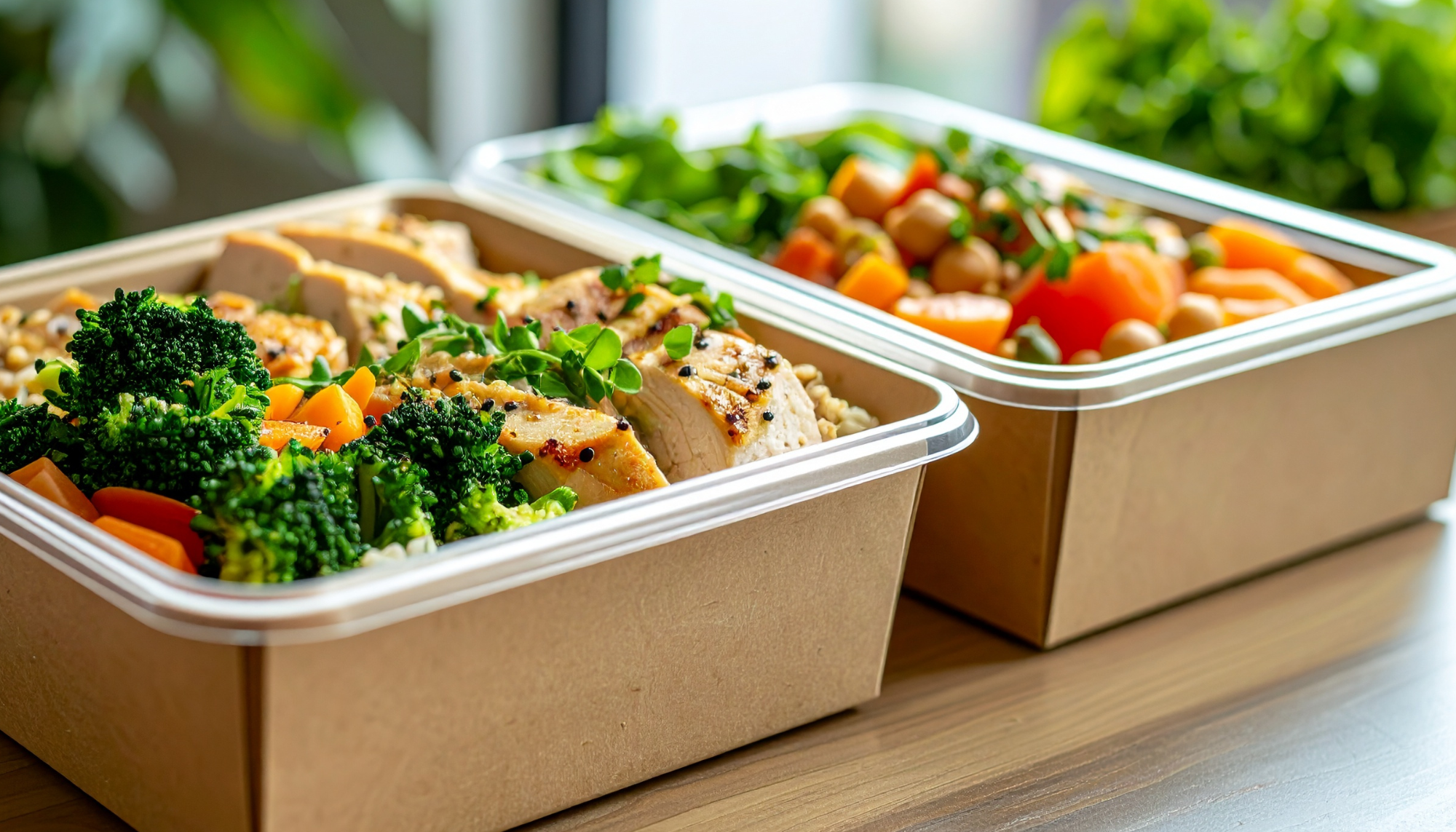
This is the most overlooked piece.
Recomposition doesn’t happen well in extremes.
- Too large of a deficit → poor recovery, muscle loss
- Too close to maintenance (with low effort) → little fat loss
The goal isn’t just “eat less” or “eat more.”
It’s creating the right balance:
- Enough energy to train hard
- Enough stimulus to build muscle
- Enough of a deficit to pull from fat stores
You need sufficient energy to:
- Recover
- Sleep well
- Maintain hormones
- Support training performance
This is why recomposition is easier for:
- Beginners
- People with higher body fat
- Those returning after time off
And much harder for:
- Very lean individuals
- Advanced lifters
- People in aggressive deficits
Sleep also plays a role here.
Research shows that poor sleep can shift weight loss toward lean mass loss instead of fat loss, leading to worse body composition outcomes.
Who Can Actually Recompose?
Yes, you can lose fat and gain muscle at the same time.
But it’s not equally achievable for everyone.
High likelihood:
- Beginners
- Detrained individuals
- Higher body fat
- High protein + structured training
Moderate likelihood:
- Intermediate lifters
- Small deficit or maintenance
- Consistent programming
Low likelihood:
- Advanced lifters
- Very lean individuals
- Large calorie deficits
The Bottom Line
Body recomposition is real.
But it’s not magic, and it’s not random.
It requires:
- High protein intake
- Hard, progressive resistance training
- Enough energy and recovery
Do those well, and you give yourself the best possible chance at reaching your goals.
Works Cited
Longland, Thomas M et al. “Higher compared with lower dietary protein during an energy deficit combined with intense exercise promotes greater lean mass gain and fat mass loss: a randomized trial.” The American journal of clinical nutrition vol. 103,3 (2016): 738-46. doi:10.3945/ajcn.115.119339
Antonio, Jose et al. “A high protein diet (3.4 g/kg/d) combined with a heavy resistance training program improves body composition in healthy trained men and women--a follow-up investigation.” Journal of the International Society of Sports Nutrition vol. 12 39. 20 Oct. 2015, doi:10.1186/s12970-015-0100-0
Bray, George A et al. “Effect of protein overfeeding on energy expenditure measured in a metabolic chamber.” The American journal of clinical nutrition vol. 101,3 (2015): 496-505. doi:10.3945/ajcn.114.091769