8 Little-Known Reasons You Could be Gaining Fat
Mar 20, 2026
If you feel like you’re doing everything right, but your body composition is moving in the wrong direction, you’re not alone.
Many people assume fat gain only happens because they’re eating the wrong foods. But in reality, it’s rarely that simple.
After working with thousands of nutrition clients, many of them were people who were:
-
Lifting consistently
-
Meal prepping
-
Eating high-protein snacks
-
Trying to eat “clean”
Yet they were still getting softer over time.
This wasn’t because they were lazy or had a broken metabolism. Instead, small hidden factors were stacking up in the background.
In this article, we’ll walk through 8 hidden reasons you might be gaining fat despite doing many of the right things.
1. Your “Healthy” Foods Are Calorie-Dense
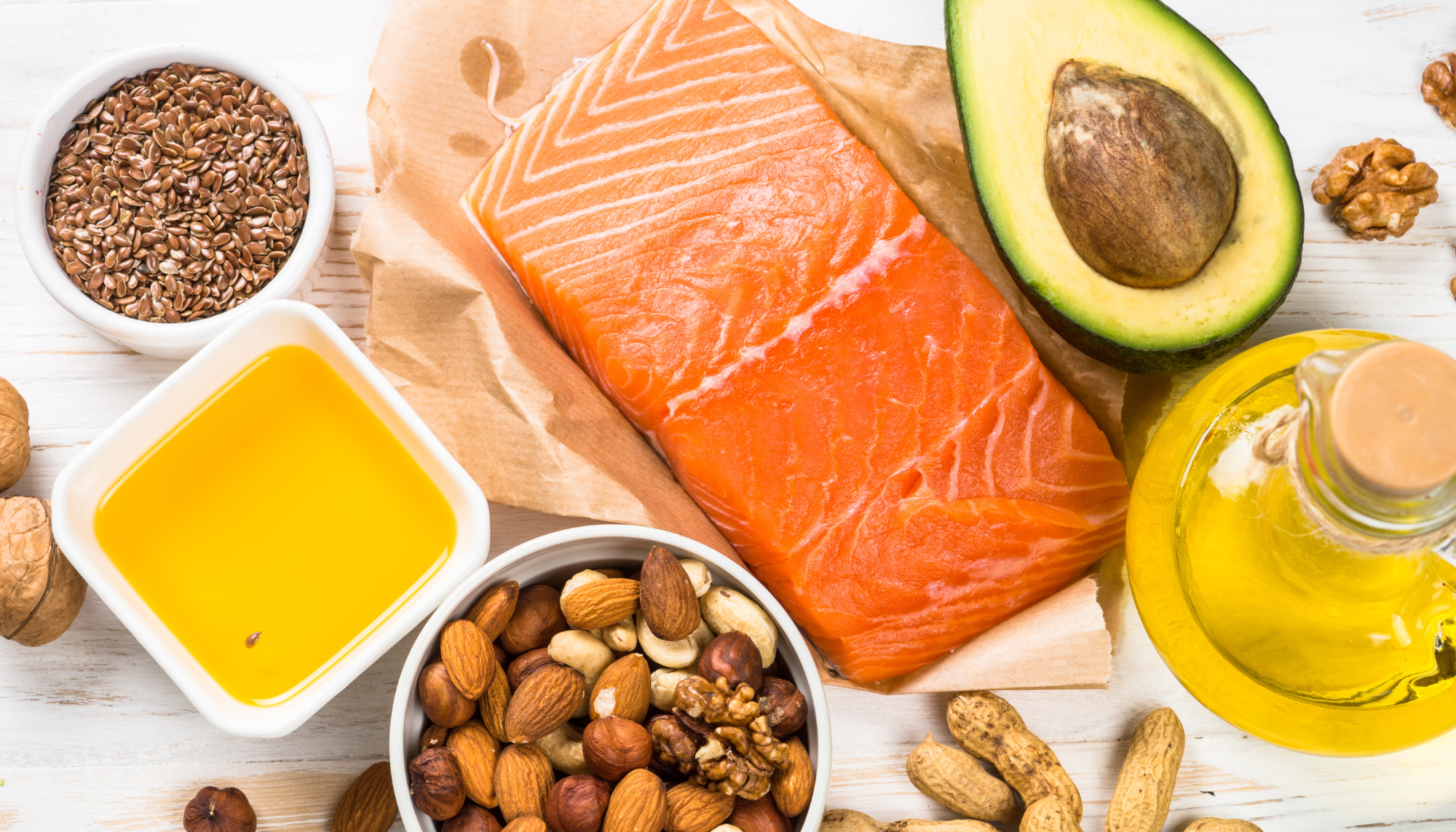
One of the most common traps is cleaning up your diet, but replacing highly processed foods with calorie-dense, healthy foods that are easy to overeat.
Examples include:
-
Nuts and nut butters
-
Trail mix
-
Healthy oils
-
Granola
-
Avocados
None of these foods are unhealthy, and they don’t need to be avoided. However, it’s important to remember how calorie-dense they are.
Fat gain usually isn’t caused by one huge mistake. Instead, it comes from small daily calorie overshoots that add up over time.
One client I worked with was convinced she was eating perfectly, but was still gaining weight. When we had her measure the olive oil she used for cooking for one week, she realized she was consuming nearly 400 extra calories per day without realizing it.
There’s nothing wrong with olive oil. It’s a healthy fat. But the calories still count, and they can add up quickly.
Simple fix:
For one week:
-
Measure cooking oils and dressings
-
Portion nuts instead of eating directly from the bag
-
Weigh higher-calorie foods using a food scale
You don’t need to track forever, but building awareness around calorie-dense foods can make a huge difference.
2. You’re Snacking All Day (Even If It’s High Protein)
Over time, my opinion on meal frequency has changed.
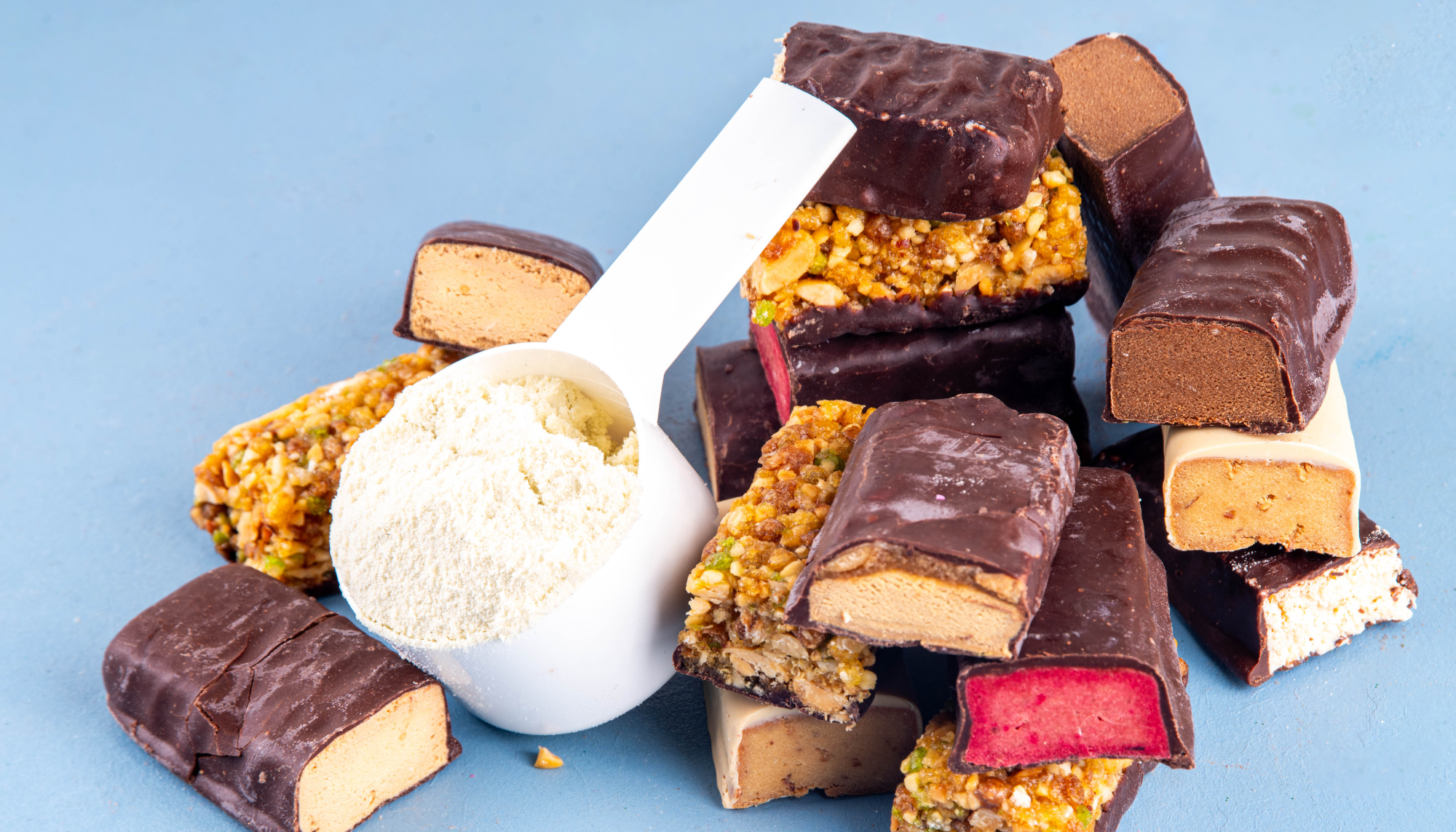
Many people rely on frequent snacks throughout the day, such as:
-
Protein bars
-
Small “healthy” snacks
-
Constant bites between meals
These habits often feel productive, but they can keep hunger elevated because you never truly feel finished eating.
One client who struggled to lose weight was eating five high-protein snacks every day.
When we switched him to three structured and balanced meals, his hunger dropped dramatically, even though his calories barely changed.
If you struggle with constant snacking, try this experiment.
Try this for 10 days:
Eat three structured meals that include:
-
30–40g of protein
-
Whole food sources
-
Fruits and vegetables for volume
You don’t need to eliminate snacks entirely. Just make them optional instead of automatic.
3. Your Activity Dropped Without You Realizing

Even if you lift weights four or five days per week, you can still gain fat if your overall daily activity levels decrease.
A large portion of daily calorie burn comes from non-exercise activity, including:
-
Walking
-
Standing
-
General movement throughout the day
Small lifestyle changes can dramatically reduce this activity, such as:
-
More desk work
-
Driving instead of walking
-
Seasonal weather changes
For years, I would gain 8–10 pounds each winter because my daily steps dropped from around 9,000 to 2,000 without realizing it.
My nutrition stayed the same, but my activity levels dropped significantly.
To fix this, choose one of the following:
-
8,000–10,000 steps per day
-
Two 15-minute walks per day
-
A nightly walk after dinner
Treat your daily movement as a non-negotiable habit.
4. Poor Sleep and Stress Are Increasing Your Hunger

This is another factor that often goes unnoticed.
When sleep is low and stress is high:
-
Hunger increases
-
Cravings become stronger
-
Impulse control decreases
-
Late-night eating becomes more likely
This isn’t about discipline, it’s about physiology and recovery.
One client I worked with did everything right during the day:
-
Woke up at 5 a.m. to train
-
Ate well
-
Followed his nutrition plan perfectly
But he was only sleeping 5 hours per night, leading to constant late-night snacking.
When we increased his sleep to 6.5–7 hours, his nighttime eating almost disappeared.
Here are three ways to improve sleep and stress:
-
Create a 20-minute wind-down routine before bed
-
Add a 5-minute stress buffer before dinner (walking, breathing, or quiet time)
-
Set a kitchen closing time
Better recovery makes appetite much easier to control.
5. The Weekend Drift

Many people stay highly structured during the week but lose control once the weekend arrives.
This often includes:
-
Meals out
-
Drinks
-
Late nights
-
Less movement
Individually, these behaviors aren’t extreme. But they can add up quickly over a weekend.
Your body doesn’t care about “good” days and “bad” days; it responds to your weekly calorie average.
To stay consistent without being overly restrictive, try adding a few simple guardrails.
For weekends:
-
Decide your first two meals ahead of time
-
Get your movement done early in the day
-
Choose one intentional indulgence
Predictable weekends lead to predictable results.
6. Invisible Calories
Some calorie sources are easy to overlook because they don’t feel like “real eating.”
Examples include:
-
Coffee creamer
-
Cooking oils
-
Sauces and dressings
-
Bites while cooking
-
Kids’ leftovers
These small bites may seem insignificant, but they can add up quickly.
Try a 3-Day Invisible Calorie Audit
For three days, track everything you consume:
-
Bites
-
Nibbles
-
Drinks
-
Cooking ingredients
Then focus on adjusting just one habit.
Small changes often create the biggest long-term impact.
7. You’re Training Hard, But Not Progressing

Consistency in the gym is important, but progression is what changes your body composition.
If your strength hasn’t improved in months, you may simply be maintaining, or even losing muscle.
When muscle mass decreases, body composition worsens, and people often start to look “soft” despite lifting regularly.
Use your strength as a measurement of progress.
Track 4–5 key lifts and monitor:
-
Weight used
-
Reps performed
-
Execution quality
You don’t need to max out constantly, but progress should gradually improve over time.
8. You’re Tracking the Wrong Signals
If you only track body weight, small daily fluctuations can cause unnecessary panic.
The scale can fluctuate due to:
-
Water intake
-
Sodium
-
Carbohydrates
-
Inflammation
-
Food volume
-
Training stress
Many people see the scale increase for two days and immediately overreact.
They might:
-
Slash calories
-
Add excessive cardio
-
Burn out and fall off their plan
Instead, track trends over time.
Focus on these metrics:
-
7-day average body weight
-
Waist measurements
-
Strength performance
-
Average daily steps
-
Hunger levels (1–10)
Fat gain becomes much easier to prevent when you track the right signals.
Final Thoughts

If you’re gaining fat despite doing many things right, it’s rarely caused by one major mistake.
More often, it’s a combination of factors like:
-
Calorie-dense “healthy” foods
-
Constant snacking
-
Reduced daily movement
-
Poor sleep and high stress
-
Weekend calorie drift
-
Invisible calories
-
Lack of training progression
-
Tracking the wrong metrics
Most people don’t need a completely new diet; they simply need better structure and awareness of the habits that actually drive results.